
Emotional changes
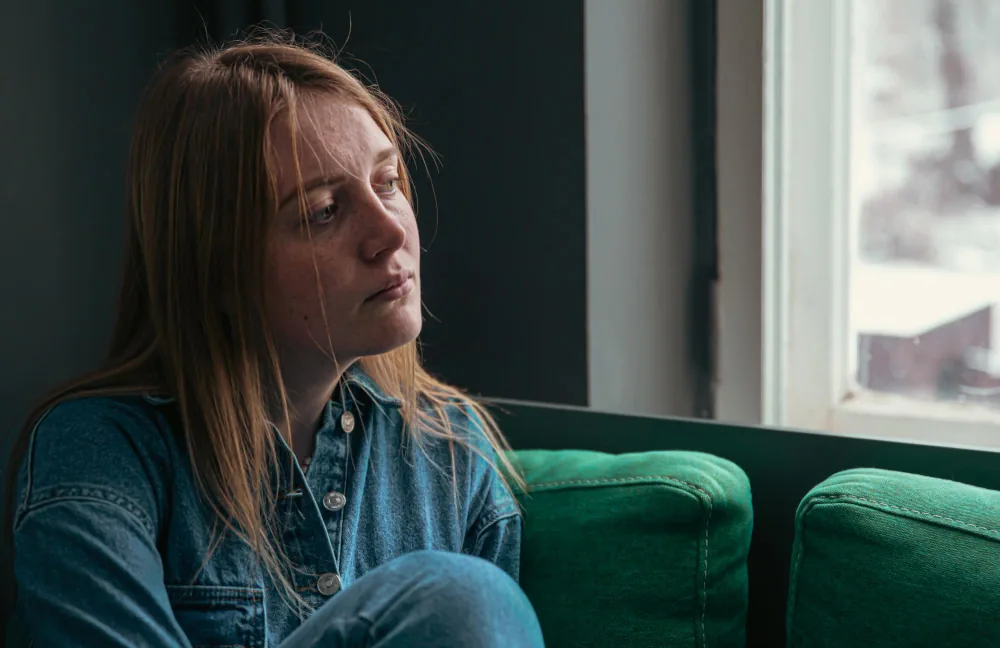
Persistent sadness, emptiness, irritability, shame, hopelessness, emotional numbness or feeling unable to enjoy things that normally matter to you.
Take a free online depression screening in London, England. Review common symptoms and learn what next steps may support your mental health.
When low mood, exhaustion, loss of interest or hopelessness begins to affect everyday life, a structured screening can help you pause and look at the pattern more clearly. It is not a diagnosis, but it can give you a practical starting point for deciding whether to speak with a qualified professional.

Depression does not always arrive as one dramatic moment. It can develop quietly. You may notice that getting out of bed takes more effort, messages remain unanswered, food no longer tastes the same, or a job you once managed now feels impossible to face. You may still attend meetings, commute, care for your family and appear composed while feeling detached or depleted inside. That contrast can make it difficult to know whether you are experiencing ordinary stress, burnout, grief, a physical health problem, depression or a combination of several pressures.
A free online depression screening offers a structured pause. Instead of trying to explain everything at once, you respond to a set of questions about your recent mood, energy, interest, thoughts, sleep, concentration and daily functioning. The pattern of answers can help you recognise whether your experiences deserve closer attention. For some people, seeing the pattern clearly is the moment they stop dismissing their distress. For others, it provides reassurance that they can monitor how they feel while taking sensible steps to protect their wellbeing.
The most useful way to approach a screening is with honesty rather than fear. There is no prize for appearing fine, and there is no benefit in choosing the most severe response because you want your pain to be believed. Answer according to what has genuinely been happening. Think about the difficult days as well as the easier ones, and consider how often your symptoms have affected work, study, relationships, household tasks, sleep and self-care.
A screening result is information, not a verdict. It does not define your personality, your future or your value. It cannot replace a clinical conversation, physical health review or full assessment. What it can do is make an invisible struggle easier to describe. You may decide to share the result with a GP, therapist, psychiatrist or trusted person, or simply use it to begin a more honest conversation with yourself.
You do not have to wait until life has completely fallen apart before seeking support. Noticing a change and responding early is a responsible act, not an overreaction.
Mindhelpa allows you to begin the depression screening without first booking an appointment. On the current screening page, you can complete the free assessment anonymously and receive an initial result. Personal details are requested only if you choose an additional personalised report or doctor consultation. This means you can take the first step privately, at a time and place that feels manageable.
Depression can affect emotions, thoughts, the body, relationships and the ability to manage ordinary tasks. Two people can have the same diagnosis and describe the experience very differently.

People often use the word “depressed” to describe disappointment or a bad mood. Clinical depression is broader and usually more persistent. Sadness may be present, but some people mainly describe numbness, emptiness, irritability or a sense that they are watching life from a distance. Activities that once provided pleasure may feel flat. Rest may not restore energy. Small decisions can become mentally expensive, and ordinary setbacks may feel like proof that nothing will improve.
Depression can also create a harsh internal voice. You may blame yourself for being tired, believe you are disappointing everyone, or interpret neutral events as evidence that you are unwanted. A delayed reply from a friend can feel like rejection. A mistake at work can feel like total failure. The mind may repeatedly return to regrets, fears and perceived shortcomings, even when another part of you recognises that the conclusions are unfair.
For some Londoners, depression is experienced through constant functioning. You may board a crowded train, answer emails, collect children, prepare meals and meet deadlines, yet feel that every action requires enormous effort. Because you are still performing essential tasks, people around you may not realise how much energy it costs. You may not realise it either. High functioning does not mean the distress is insignificant.
Other people find that functioning becomes visibly affected. Washing, dressing, cooking, cleaning or leaving home may become difficult. Appointments are missed because planning the journey feels overwhelming. Bills remain unopened. Work absence increases. Friendships become quieter because explaining how you feel seems exhausting or because you fear becoming a burden.
Physical experiences are common too. Sleep may become broken, delayed or excessive. Appetite can fall or increase. The body may feel heavy, restless or slowed down. Headaches, digestive discomfort, muscle tension and unexplained aches may become more noticeable. These experiences do not prove depression, and physical symptoms should not automatically be assumed to be psychological. A clinician may need to consider medication effects, hormonal changes, anaemia, thyroid problems, chronic illness, substance use, sleep disorders and other possible contributors.
Depression may follow a loss, relationship breakdown, difficult birth, illness, redundancy, financial strain, discrimination, migration stress, caring pressure or another major change. It may also develop without one clear cause. Not being able to identify a single reason does not make the experience less real. Mental health is shaped by many interacting factors, including biology, personal history, current circumstances, physical health, relationships and access to support.
Persistent sadness, emptiness, irritability, shame, hopelessness, emotional numbness or feeling unable to enjoy things that normally matter to you.
Difficulty concentrating, indecision, repeated self-criticism, expecting the worst, feeling worthless or becoming trapped in painful thoughts about the past.
Low energy, restlessness, slowed movement, disrupted sleep, appetite changes, reduced sexual interest or physical discomfort that has no obvious explanation.
No single symptom confirms depression. What matters is the combination, persistence, intensity and impact of the changes you are experiencing.
Music, food, exercise, intimacy, hobbies, social events or time with people you love may stop feeling rewarding. You might still participate out of obligation, but the emotional connection is reduced.
You may struggle to fall asleep, wake repeatedly, wake far earlier than intended or sleep for long periods without feeling refreshed. Sleep problems can also have many non-depressive causes.
Routine actions can feel physically and mentally demanding. You may need more recovery time after work, avoid plans because of exhaustion or feel as though your body is moving through resistance.
Reading, following conversations, remembering instructions or choosing between simple options may take longer. At work, this can look like procrastination or reduced performance rather than sadness.
You may cancel plans, ignore calls, stop replying or avoid explaining what is happening. Withdrawal may temporarily reduce pressure, but prolonged isolation can make it harder to receive support.
Thoughts that life is not worth living, wishing not to wake up, imagining self-harm or making plans require prompt attention. Use urgent or emergency support rather than waiting for an online result.
Everybody has periods of low mood, tiredness or reduced motivation. A difficult week after disappointment is not automatically depression. Concern becomes more reasonable when several changes occur together, continue most days, do not lift as circumstances improve, or begin to interfere with your ability to work, study, care for yourself, maintain relationships or experience pleasure.
The NHS advises speaking with a GP when symptoms of depression are present for most of the day, every day, for more than two weeks. You should also seek help sooner when symptoms are worsening, affecting important areas of life or accompanied by thoughts of suicide or self-harm. The two-week marker is a useful prompt, not a rule requiring you to endure severe distress before asking for support.
Comparing yourself with another person is often unhelpful. Someone else may sleep eight hours and feel well, while eight hours is a major change for you. One person may naturally prefer a small social circle, while another has abruptly stopped engaging with everyone. Ask what has changed from your normal pattern and whether the change is creating distress, impairment or risk.
Grief, anxiety, trauma, burnout, hormonal changes, chronic pain, substance use, medication effects and physical illness can produce overlapping symptoms. Periods of unusually elevated or irritable mood may point to a different clinical picture that requires careful assessment. This is one reason a screening should never be treated as a stand-alone diagnosis.
London can offer opportunity, culture, community and connection, but it can also make distress easy to hide. A person can be surrounded by millions of people and still feel profoundly alone. Long commutes, changing shift patterns, high living costs, insecure housing, crowded homes, competitive workplaces and limited time for rest can gradually drain emotional resources. When pressure is normalised, depression may be mistaken for simply not coping well enough.
The pace of the city can reward constant movement. You may leave home early, return late and measure the day by completed tasks. If you are still meeting deadlines, others may assume you are fine. Yet the private picture may include crying on the journey home, lying awake with dread, avoiding friends, losing interest in food, or using every weekend to recover enough to repeat the cycle. A screening creates room to consider the part of the story that productivity does not show.
Financial strain can intensify symptoms. Rent, transport, childcare, debt and the cost of basic needs may leave little sense of security. Depression can then reduce concentration and motivation, making it harder to manage the very tasks that could improve the situation. This cycle is not a personal failure. Practical problems and mental health can reinforce each other, which is why useful support may involve both emotional care and concrete help with work, benefits, housing, debt or caring responsibilities.
Migration and cultural expectations may also shape how symptoms are understood. Some people have been taught that emotional pain should remain private, that faith alone should remove it, or that seeking professional help brings shame. Others fear not being understood because of race, language, sexuality, disability, immigration history or previous experiences with services. A screening cannot solve those barriers, but it can help you name what is happening and prepare questions about the type of support you need.
Students and early-career adults may attribute every change to pressure, loneliness or uncertainty. Parents may assume exhaustion is simply part of caring. Health and social care workers may become skilled at supporting everybody except themselves. Business owners may keep working because stopping feels financially impossible. Older adults may present with physical complaints or withdrawal rather than saying they feel depressed. There is no single London profile for depression.
Where you live in the capital does not determine whether your distress is legitimate. Whether you are in Hackney, Croydon, Ealing, Greenwich, Newham, Westminster, Bromley, Hounslow, Lewisham, Camden or another borough, an online screening can be completed privately without travelling across the city. The result can then help you decide whether your next step is monitoring, speaking with a GP, contacting NHS talking therapies, arranging a private consultation or reaching out urgently.
Long or unpredictable journeys can reduce sleep, movement, social contact and recovery time. When energy is already low, even a familiar commute can feel like an obstacle.
Persistent worry about rent, bills, debt or housing stability can contribute to hopelessness and make it difficult to focus on emotional needs.
Frequent contact with strangers is not the same as belonging. Remote work, relocation, caring duties or withdrawal can leave meaningful connection painfully limited.
A good screening organises information. It does not replace professional judgement, a medical history, a risk assessment or a conversation about your circumstances.
A screening asks whether certain experiences are present and how much they affect you. A diagnosis requires a broader assessment. A qualified clinician may ask about when symptoms began, previous episodes, medical conditions, medication, sleep, alcohol or drug use, family history, trauma, bereavement, pregnancy, work, relationships and periods of unusually high energy or reduced need for sleep. They may also consider whether a physical examination or blood test is appropriate.
This wider context matters because similar symptoms can come from different causes. Tiredness and poor concentration may occur with depression, but they may also appear with sleep deprivation, anaemia, thyroid problems, chronic pain, medication side effects or intense stress. Loss of appetite may reflect low mood, grief, gastrointestinal illness or another problem. An online result cannot make those distinctions safely.
The fact that screening is limited does not make it pointless. A thermometer does not explain the cause of a fever, yet it provides information that may shape what happens next. In a similar way, a depression screening can show that a collection of experiences deserves attention. It can help you move from “I am just failing” to “I am noticing a mental health pattern that I should discuss.”
Use the result as part of a larger picture. Your own account, the observations of people you trust, changes in functioning, physical health information and professional assessment may all matter. When those pieces are considered together, the next decision is usually more informed than it would be if you relied on a score alone.
The process is straightforward, but the quality of the reflection depends on how honestly and calmly you answer.
Use a phone, tablet or computer somewhere you can concentrate. You do not need a perfect environment, but avoid completing it while driving, working, arguing or responding under somebody else’s supervision.
Answer based on the time frame stated in the assessment. Do not focus only on today if today is unusually good or unusually difficult. Consider the broader pattern across recent days and weeks.
Some questions may not fit perfectly. Select the option that best reflects frequency or impact rather than becoming stuck looking for an exact description. The screening is a guide, not an exam.
You may stop and return later if reflecting becomes overwhelming. When questions bring up immediate safety concerns, move away from the screening and contact urgent or emergency support.
Notice the level indicated, but also consider which questions felt most important. A single score cannot show the full story. Write down examples you may want to discuss with a professional.
Your next step might be speaking with a GP, self-referring to NHS talking therapies, arranging a doctor consultation, telling a trusted person, reviewing physical symptoms or making a safety plan. Choose action over repeated testing.
Some people minimise symptoms because they fear being judged. Others select the most severe responses because they are desperate for support and worry that ordinary answers will not be taken seriously. Both reactions are understandable, but neither produces the clearest picture. Your experiences deserve attention without exaggeration or concealment.
When a question asks how often something happens, distinguish between occasional, repeated and near-constant experiences. When it asks about impact, think about observable changes: missed work, reduced grades, neglected meals, difficulty bathing, conflict, withdrawal, late bills or an inability to complete familiar tasks. Specific examples can be more useful in a later consultation than a general statement that everything feels bad.
The Mindhelpa screening can currently be started anonymously. This may help if you are not ready to provide personal details or discuss your concerns aloud. Privacy should not become isolation, however. When the result, your symptoms or your safety indicate that support is needed, consider allowing a qualified professional or trusted person into the next part of the process.
Retaking the screening several times in one day is unlikely to provide clarity. It may create more anxiety or tempt you to adjust answers until the result feels comfortable. Complete it once with care, note the outcome and decide what action is appropriate. A later retest may be useful after a meaningful interval or as part of professional monitoring, but it should not replace a conversation when symptoms are persistent or severe.
Complete the free screening, review the pattern and decide on one practical next step. You remain in control of what you do with the information.
Results are most helpful when they lead to reflection and appropriate action. They become less helpful when treated as a definitive medical conclusion.
A lower result may mean that the pattern you reported is limited at this time. It does not mean you are imagining stress, grief, loneliness or exhaustion. Pay attention to the symptoms that brought you to the screening, particularly if they are new, worsening or affecting safety. Support can be appropriate even without a high score.
A middle-range result may suggest that several depression-related experiences are present or affecting daily life. Consider speaking with a GP or qualified mental health professional, especially when symptoms have continued for more than two weeks, interfere with functioning or have not improved with ordinary rest and support.
A higher result deserves timely professional attention, but it still does not establish a diagnosis. Arrange an assessment rather than attempting to choose treatment alone. When there are thoughts of self-harm, suicide, immediate danger or an inability to stay safe, use urgent or emergency services regardless of the score.

The overall level may catch your attention, but individual responses can contain more useful information. You may have selected a relatively low frequency for most symptoms but reported serious thoughts about death or self-harm. That safety concern matters even if the total result is not the highest possible. You may also have a moderate score driven by sleep and concentration problems that need a physical health review.
Ask which areas are changing most. Is the main problem loss of pleasure, exhaustion, guilt, disrupted sleep, appetite, withdrawal or impaired concentration? Which change is creating the greatest practical harm? Which symptoms began first? Are there identifiable triggers? These questions can help a clinician understand the shape of the problem rather than seeing only a number.
People sometimes read a high result as evidence that they should have coped better. That interpretation adds shame to an already difficult situation. Depression is not a character defect, and seeking assessment does not mean surrendering responsibility. It means responding to a health concern with information and support.
Screening tools do not capture every form of distress. You may be grieving, traumatised, burned out, using substances to cope or experiencing symptoms outside the questions asked. You may also underreport because acknowledging the truth feels unsafe. When your own sense of concern conflicts with a reassuring score, speak with a professional rather than forcing yourself to accept the result.
You may choose to show the result to a GP, therapist, psychiatrist, partner, relative or trusted friend. Explain that it is a screening outcome, not a diagnosis. A supportive person should listen, help you think about next steps and take safety concerns seriously. They should not use the result to shame you, control you or dismiss your experience.
The right next step depends on symptom severity, safety, duration, functioning, physical health, personal preference and the support available to you.
A GP can discuss your symptoms, ask about physical and mental health, review medication and consider whether further assessment is needed. They may discuss treatment options or refer you to another service. When booking, you do not need to provide a perfect explanation. You can say that you have experienced persistent low mood or loss of interest, that it is affecting daily life, and that you completed an online depression screening you would like to discuss.
Before the appointment, write down when the changes began, how often they occur and what they affect. Include sleep, appetite, energy, concentration, work, relationships, alcohol or drug use, medication, physical symptoms and any thoughts about self-harm. Bring a list of current medicines and relevant health conditions. This preparation can help when low concentration or anxiety makes it difficult to remember details in the room.
In England, many adults can refer themselves to NHS talking therapies for anxiety and depression without first speaking to a GP. Eligibility and the exact services offered vary by local area, and you generally need to be registered with a GP. Talking therapies can be delivered in different formats, including one-to-one, group, telephone, video or guided online support. A service will decide what is appropriate after reviewing your needs.
Self-referral can be useful when asking a GP feels like an additional barrier, but it is not the right pathway for every situation. Speak with a GP or urgent service when symptoms are severe, safety is uncertain, a physical cause may be involved, you may have bipolar disorder or psychosis, substance use is significant, or you are unsure which service fits.
Some people prefer a private consultation because they want focused time to explain what is happening, review a screening result and receive guidance about practical next steps. Mindhelpa offers a doctor consultation pathway for people who want one-to-one support. A consultation is separate from the free screening and should be approached as a professional discussion rather than a guarantee of a particular diagnosis or treatment.
Before booking any private service, check the professional’s role, registration, scope, fees, privacy terms and what the appointment includes. Be clear about whether you are seeking general guidance, a diagnostic assessment, therapy, medication review, a written report or ongoing care. These are not interchangeable services.
Depression often encourages silence. You may believe that nobody wants to hear it or that you should wait until you can explain everything neatly. Try a simpler opening: “I have not felt like myself recently,” “I completed a depression screening and I think I need support,” or “I am struggling more than I have shown.” Choose somebody who can listen without turning the conversation into judgement or forced positivity.
Be specific about what would help. You may need company while booking an appointment, a reminder to eat, support with childcare, a walk, help organising paperwork or regular check-ins. A trusted person cannot replace professional care, but practical companionship can reduce the burden of taking the next step.
Do not wait for a routine appointment or another screening when you believe you may act on thoughts of suicide or self-harm, cannot keep yourself safe, have seriously injured yourself, have taken an overdose or somebody else is in immediate danger. Call 999 or go to A&E. For urgent mental health support in England, use NHS 111 online or call 111 and select the mental health option. You can also call Samaritans free on 116 123 for confidential listening support.
When speaking feels difficult, use direct language: “I am at risk of harming myself,” “I have a plan,” “I cannot keep myself safe,” or “I am calling because somebody with me is in danger.” Clear wording helps the person on the other end understand the urgency. A mental health emergency deserves the same seriousness as a physical emergency.
Start with Mindhelpa’s online depression screening when you want a private, structured way to examine common symptoms. Use the result as a prompt for reflection and next steps, not as a diagnosis.
Open the depression screening →Choose a one-to-one consultation when you want to describe your symptoms, ask questions and receive professional guidance about what to consider next.
View doctor consultation options →Adults in England may be able to self-refer for NHS talking therapies for anxiety and depression. Check the official NHS service finder for local eligibility and access information.
Find an NHS talking therapies service →A professional consultation can help you place symptoms within your wider health, circumstances and goals. It is a separate service from the free screening.
Daily habits may support recovery, but they are not a substitute for assessment or treatment when depression is persistent, severe or unsafe.
Try to keep wake time, meals, medication and bedtime reasonably consistent. Depression can make structure feel pointless, but a simple rhythm reduces the number of decisions your exhausted mind must make.
Replace “sort out my entire life” with one action: shower, drink water, open one letter, send one message or stand outside for five minutes. Smaller steps are not childish. They are more achievable when energy is low.
A short walk, gentle stretch or ordinary household movement may help some people. Choose an amount that fits your health and energy. Exercise is not proof of willpower and should not become another reason to criticise yourself.
Alcohol or drugs may briefly numb distress but can worsen mood, sleep, judgement and safety. Tell a clinician honestly about what you use and how often. Sudden withdrawal from some substances can be dangerous and may need medical advice.
You do not need to attend a large social event. A brief call, shared meal, faith community, support group or message to one reliable person can interrupt complete isolation and make it easier to ask for help.
Place water, food, medication, clean clothes or appointment details where they are easier to reach. Use reminders and accept practical help. Changing the environment can succeed when motivation alone does not.
Advice about sleep, food, exercise and mindfulness can sound insulting when depression has made basic functioning difficult. The aim is not to prove that you are trying hard enough. It is to reduce avoidable strain while proper support is being arranged. Choose actions that are realistic and medically appropriate for you.
Start with essentials. Have you eaten something? Taken prescribed medication correctly? Had water? Opened the curtains? Contacted the person you said you would contact? A day that contains one or two stabilising actions is not a failed day. Recovery is rarely a clean upward line.
When work is worsening symptoms, you may consider speaking with a manager, human resources team, occupational health service, union representative or GP. The right approach depends on your employment situation and how safe disclosure feels. Possible practical discussions may include workload, deadlines, breaks, shift patterns, remote work, phased return or time for appointments. This page does not provide employment or legal advice, so seek appropriate guidance for your circumstances.
A simple note of sleep, mood, major events, medication, alcohol use and functioning may help you spot patterns and explain them during an appointment. Keep it brief. If tracking becomes obsessive, increases anxiety or makes every emotion feel like a test result, stop and discuss a more suitable approach with a professional.
Depression may remove the expectation that anything will feel worthwhile. You do not need to wait for motivation before trying a modest activity connected with comfort, identity or values. Listen to one song, sit near daylight, prepare a familiar meal, pray, water a plant, watch something gentle or complete a small act of care. The activity may not produce immediate pleasure. Its value can simply be keeping a thread connected to life.

You do not need to become their therapist. Your role can be to notice, listen, take safety seriously and help make the next step more achievable.
Use specific, non-accusing language. You might say, “You have seemed exhausted and withdrawn recently, and I am concerned about you,” or “I noticed you have stopped doing the things you usually enjoy.” Avoid announcing a diagnosis. The person may be depressed, but they may also be grieving, physically unwell, traumatised, overwhelmed or dealing with something you do not know.
Statements such as “look on the bright side,” “other people have it worse” or “you just need to get out more” can increase shame. You do not have to agree with hopeless conclusions to acknowledge the pain underneath them. Try: “That sounds exhausting,” “I am glad you told me,” or “We can think about the next step together.”
Asking whether somebody is thinking about suicide or self-harm does not create the idea. Clear questions can open an important conversation: “Are you thinking about harming yourself?” “Do you feel you can keep yourself safe tonight?” “Have you made a plan?” When there is immediate danger, a plan, serious injury, overdose or an inability to stay safe, call 999 or go to A&E. For urgent mental health help, contact NHS 111 and select the mental health option.
“Let me know if you need anything” can be difficult to act on. Offer one practical option: sit with them while they complete the screening, help book a GP appointment, travel with them, prepare food, collect medication, take a short walk or check in at an agreed time. Ask permission rather than taking control.
The person may not want others to know. Respect their dignity and share information only when necessary. However, do not promise absolute secrecy if you believe somebody is at immediate risk. Explain that safety comes first and involve emergency or urgent support when required.
Supporting somebody with depression can be emotionally demanding. You cannot monitor another adult every minute or single-handedly keep them well. Encourage professional support, share responsibility appropriately and seek guidance for yourself. Boundaries are not abandonment; they make support more sustainable.
Unhelpful beliefs can delay support. Challenging them does not minimise personal responsibility; it makes responsible action more possible.
People can maintain jobs, businesses, study and caring roles while experiencing significant depression. Functioning may be partial, fragile or sustained at a serious personal cost. The question is not only whether you can perform, but what it takes and what is happening elsewhere in your life.
A high result suggests that reported symptoms deserve attention. It does not establish the cause, rule out other conditions or determine treatment. Diagnosis requires a broader professional assessment.
No screening captures every form of distress. You may have underreported, misunderstood a question or be experiencing grief, trauma, anxiety, burnout, substance-related problems or physical illness. Your concern still matters.
Thought patterns can be part of depression, but the condition can also affect sleep, appetite, energy, movement, concentration, relationships and physical experience. Telling somebody to think positively is not a complete response.
Assessment is a practical response to persistent symptoms, just as seeking help is reasonable for a physical health concern. Early support may reduce the time spent struggling without direction.
Faith, community and personal resilience can be valuable sources of support. They do not make professional care unnecessary when symptoms are significant. These forms of support can work alongside one another rather than compete.
These answers explain the purpose, privacy, limits and next steps connected with Mindhelpa’s free online depression screening.
Yes. You can complete Mindhelpa’s initial online depression screening and receive the on-screen result without paying. Optional services, such as an additional personalised report or a doctor consultation, may have separate charges. Review the current information shown on the screening and consultation pages before choosing any paid option.
No. A screening identifies a pattern of self-reported symptoms and helps you decide whether further support may be useful. A diagnosis requires a broader assessment by an appropriately qualified clinician who can consider your history, functioning, physical health, medication, risk and other possible explanations.
Mindhelpa’s current depression screening states that the free assessment can be completed anonymously. Personal details are requested if you choose a personalised comprehensive report or book a doctor consultation. Always read the current privacy information on the live screening page because platform processes may be updated.
The online tool can be accessed by people in London and elsewhere, but this page is written mainly for adults reviewing their own symptoms. A screening may be useful whether you live, work or study in London. Children and young people should use age-appropriate services and involve a parent, guardian, GP or qualified professional where appropriate.
Completion time varies according to reading speed, concentration and how much you pause to reflect. Set aside an unhurried period rather than trying to finish while distracted. Accuracy is more valuable than speed, and you may stop if the questions become too distressing.
Arrange a timely conversation with a GP or qualified mental health professional. Bring the result if it helps you explain the pattern, but also describe when symptoms began, how they affect daily life, physical health concerns, medication, substance use and any safety issues. Use urgent or emergency services immediately when you cannot keep yourself safe.
Do not dismiss your concern solely because of a lower score. Online tools cannot capture every problem and may miss grief, trauma, anxiety, burnout, physical illness, substance-related difficulties or symptoms you found hard to report. Speak with a GP or professional when distress persists, worsens or affects your functioning.
No. The NHS advises contacting a GP when depression symptoms are present for most of the day, every day, for more than two weeks, but you can seek help sooner. Do not wait when symptoms are severe, rapidly worsening, significantly affecting daily life or accompanied by thoughts of suicide or self-harm.
No. These experiences can overlap, and a screening cannot reliably distinguish every cause of low mood, exhaustion, withdrawal or reduced concentration. A clinician can explore the timing, context, symptoms, losses, work pressure, physical health and other factors to develop a clearer understanding.
You may use a screening to reflect on current symptoms, but it should not replace the care plan agreed with your clinician. Do not change prescribed medication or treatment based only on an online result. Discuss worsening symptoms, side effects, new safety concerns or questions about treatment with the professional responsible for your care.
Avoid repeating it several times in a short period to obtain reassurance or a preferred score. Retesting may be useful after a meaningful interval, following a change in symptoms or when a professional recommends monitoring. Focus on appropriate action rather than repeatedly measuring the same moment.
An online result is not automatically a message to your employer, university or family. However, privacy depends on the device, browser, email account and service choices you use. Complete the screening on a secure device, review Mindhelpa’s current privacy terms and avoid saving sensitive information on a shared device when that could expose it.
Yes. Mindhelpa provides a separate doctor consultation pathway for people who want to discuss symptoms, concerns and practical next steps. Review what the consultation includes, professional credentials, fees and terms before booking.
A screening score alone is not enough to determine safe treatment. A clinician must consider your symptoms, history, physical health, medication, possible alternative explanations, risk, preferences and the benefits and harms of available options. Never start, stop or change prescribed medicine solely because of an online result.
Do not rely on the screening. If you or somebody else is in immediate danger, call 999 or go to A&E. For urgent mental health help in England, use NHS 111 online or call 111 and select the mental health option. You can also call Samaritans free on 116 123 for confidential listening support.
This page provides general educational information. For current public guidance in England, use official NHS and NICE resources.